
Is Artificial Grass Right for You?
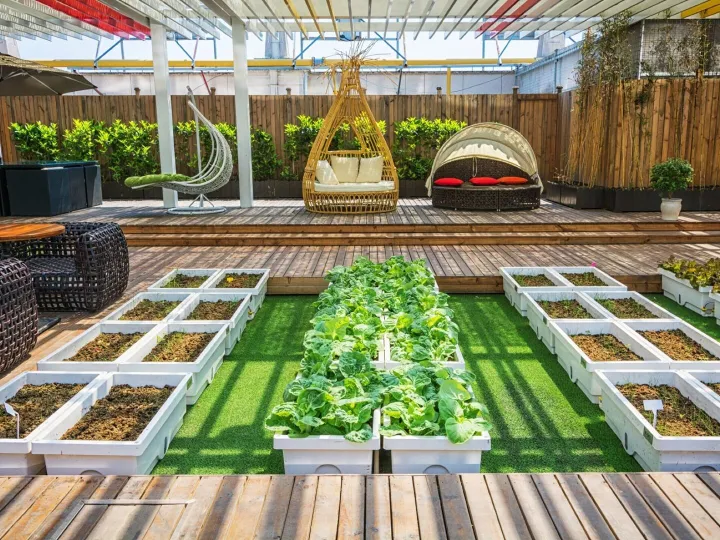
Artificial grass has become a popular alternative to a natural lawn, and for many gardens it is an excellent choice. It is not the right answer for every garden or every household, though, so it is worth weighing up both sides before you decide.
The Pros of Artificial Grass
- No mowing, feeding, watering or seasonal lawn treatments
- A green, even lawn all year, through wet winters and dry summers
- Hard-wearing enough for children and pets, with no muddy patches
- A good answer where real grass struggles: shade, slopes and small lawns that see heavy use
- Good drainage when it is laid on a properly prepared base, so the surface is usable soon after rain
Things to Consider
It is an investment up front
A properly fitted artificial lawn costs more to install than new turf. Over the years you spend less on lawn care products, equipment and your own time, but the initial outlay is higher, so it is best thought of as a long-term improvement.
It is not a living lawn
Artificial grass does not support insects and wildlife in the way a natural lawn does. If that matters to you, pair it with generous planting beds, a pond or a wildlife-friendly border, so the garden as a whole still gives nature a home.
It can feel warm in strong sun
On a hot, sunny day the surface can feel warmer underfoot than real grass. A shaded seating area or a patio nearby gives you somewhere cooler to sit.
Installation makes the difference
Most problems with artificial grass come from the ground underneath it. Uneven or poorly drained ground leads to dips, puddles and visible joins. That is why preparation is the most important part of the job.
Choosing the Right Artificial Grass
Not all artificial grass is the same. Products differ in pile height, density, colour and feel underfoot, and some stand up to heavy use better than others. A lawn for a busy family with a dog has different needs from a small decorative lawn that is mostly looked at. It is worth seeing samples in daylight, feeling them, and thinking honestly about how the lawn will be used before choosing one.
How It Is Installed
A good installation follows a careful sequence. The existing surface is excavated, the ground is levelled and a compacted sub-base is laid for stability and drainage. A weed-suppressing membrane goes down next. The grass is then cut to fit the shape of the garden, secured firmly around the edges, and any joins are made as discreet as possible. Where appropriate, a kiln-dried sand infill helps the blades stand upright and adds stability.
How to Clean and Maintain Artificial Grass
Artificial grass needs very little care, but not none:
- Brush it occasionally against the direction of the pile to keep the blades upright, especially in busy areas
- Rinse it with a garden hose when it needs freshening up
- Clear up after pets promptly and rinse the area
- Remove leaves and other debris before they break down on the surface
- Check the edges and any joins from time to time, particularly in the first few months
Is Artificial Grass Right for You?
It suits you if you want a neat lawn without the work, your grass struggles with shade or heavy use, or you would rather spend weekends enjoying the garden than maintaining it. If you love the look and feel of a real lawn, or want the garden to support as much wildlife as possible, natural turf with good planting may be the better choice.
Briox Landscaping supplies and fits artificial grass across Chester, the Wirral, Cheshire and North Wales, and it often works well alongside a new patio or a planting scheme. Ask us for an honest opinion on your garden and a free, no-obligation quote.
The Nursery, Coalpit Lane, Saughall
07949 418571
brioxlandscaping@gmail.com